
The Holy Quran is the central religious text of Islam which Muslims believe to be a revelation from God. It is widely regarded as the finest work in classical Arabic literature. The Quran is divided into chapters (surah in Arabic) which are then divided into verses (ayah). There are 114 chapters in the Quran with 6,236 verses.
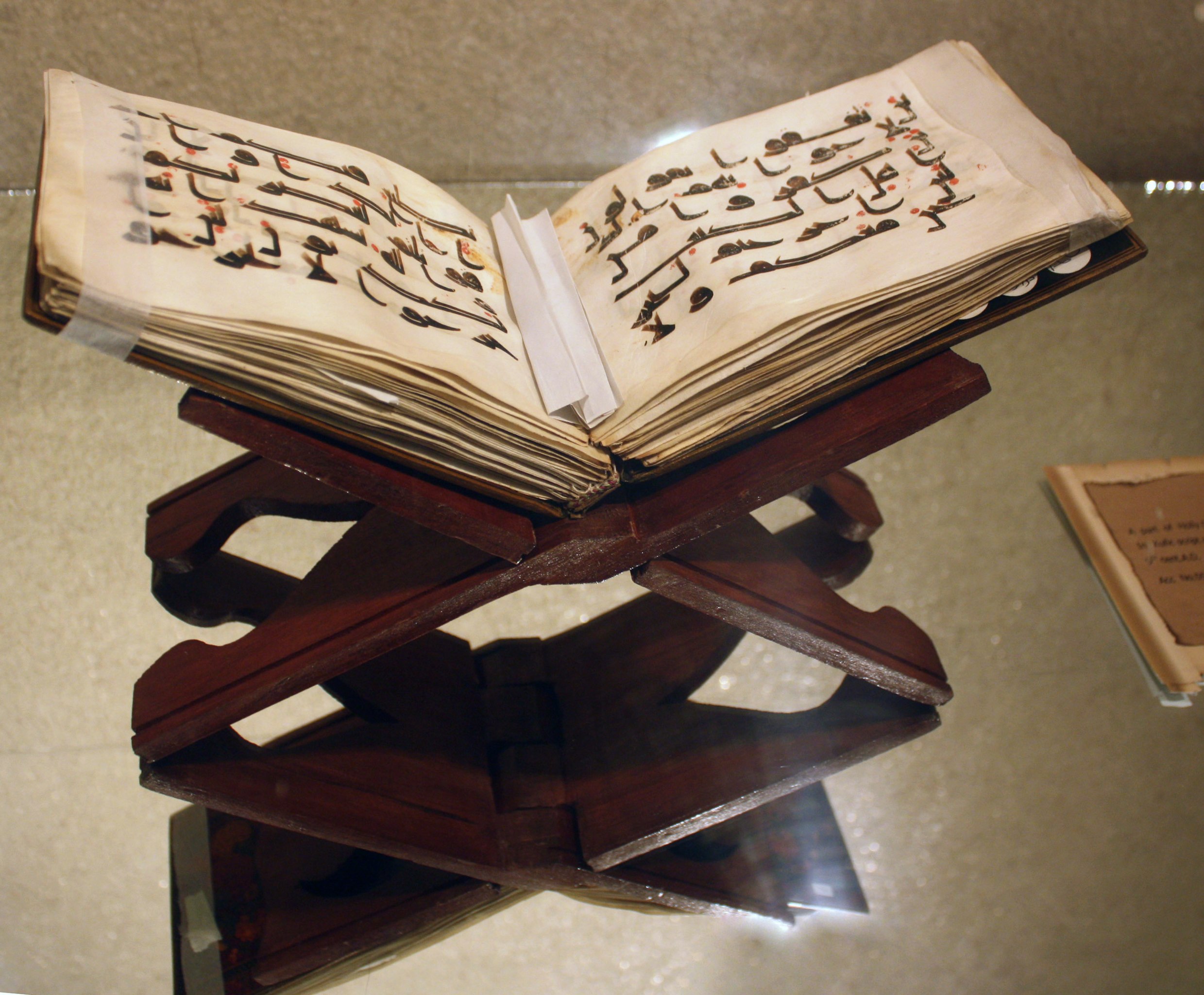
total number of verses in the holy quran
The Quran is the central sacred text of Islam which Muslims believe to be a revelation from God. It is widely regarded as the finest work in classical Arabic literature. The Quran is divided into chapters (suras) and verses (ayahs). There are a total of 114 chapters and 6,236 verses in the Quran.

how many ayats (verses) of the holy quran discuss scientific phenomena
There is no one answer to this question as it depends on interpretation. Generally Muslims believe that the Quran contains many ayahs (verses) that discuss scientific phenomena and that it is therefore a source of knowledge. Some Muslims believe that the Quran is fully consistent with science while others believe that it contains scientific errors.

the last verse of the holy quran was revealed in
The last verse of the Quran was revealed in the city of Medina during the final days of the Prophet Muhammad's life. The verse which is often referred to as the "Verse of the Sword" is believed to have been revealed in response to a question posed by a group of Muslims who were preparing to go to war against the pagans of Mecca. The verse is seen as endorsing violence in self-defense and has been used by Muslim scholars to justify armed conflict throughout history. However it should be noted that the Quran also contains many verses which call for peace and tolerance and that Muslims are only permitted to fight in self-defense or in defense of the oppressed. Therefore the last verse of the Quran should not be seen as a blanket endorsement of violence but rather as a specific instruction for Muslims who find themselves in a situation where they must choose between fighting and submitting to oppression.
Comments
Post a Comment