
The Egyptian civilization which dates back to around 3000 BC is one of the oldest in the world.
The Nile River which flows through the country was essential to its development as it provided a means of transportation and a source of water for irrigation. Egyptian culture was highly
influential in the ancient world and many of its features – such as hieroglyphic writing and mummification – are still recognizable today.
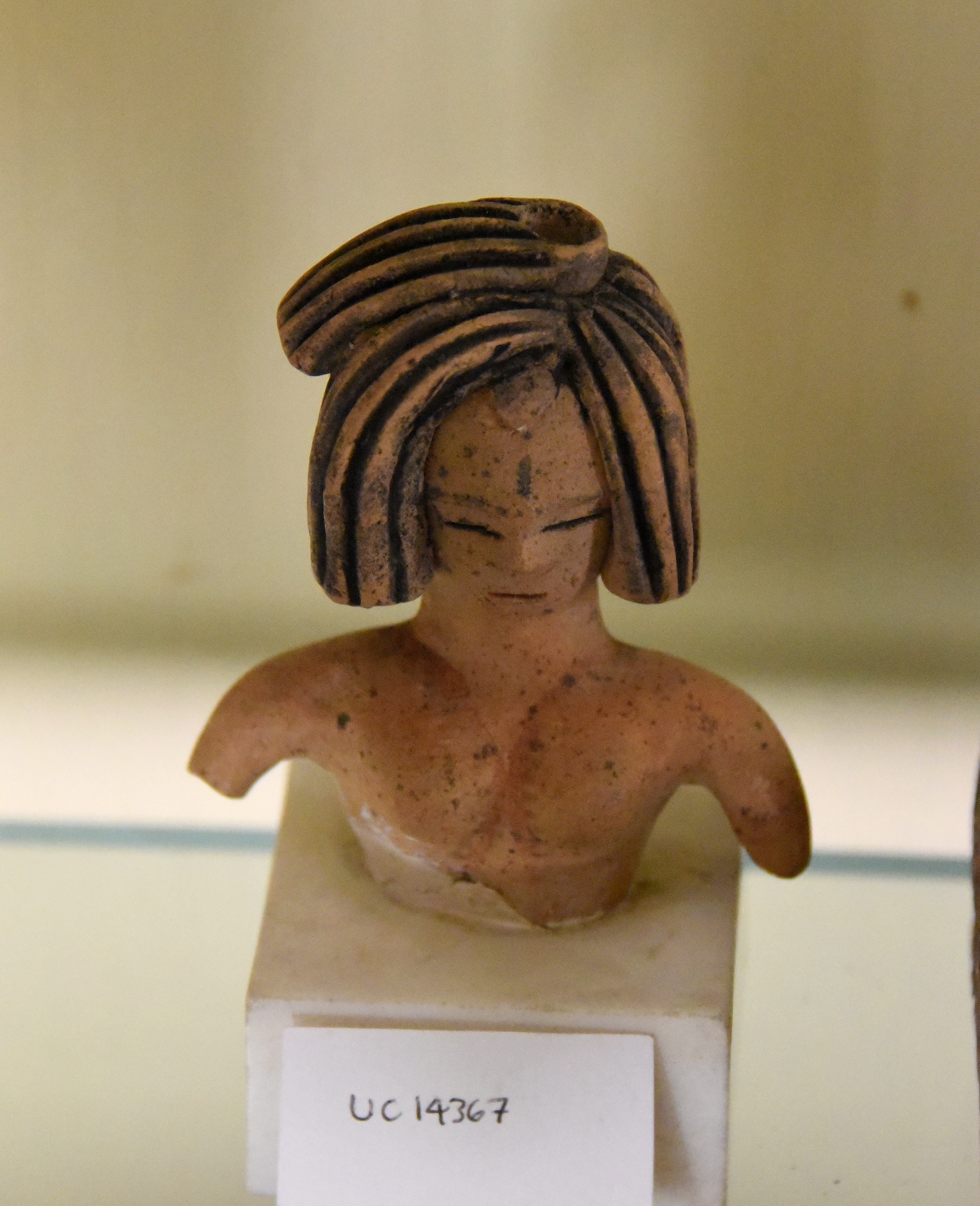
facts about the egyptian civilization
The Egyptian civilization is one of the oldest in the world. It emerged in the Nile Valley around 3100 BC and continued to thrive for over 3000 years. Ancient Egypt was renowned for its impressive monuments its sophisticated art and architecture and its many achievements in science and technology. Some of the most famous aspects of Egyptian civilization include the pyramids the Sphinx hieroglyphics and mummification.

interesting facts about the egyptian civilization
The Egyptian civilization is one of the oldest in the world and has a rich history. Here are some interesting facts about this ancient civilization:
- -The Egyptians were one of the first cultures to use makeup. They used it to protect their skin from the sun and also as a form of decoration.
- -The Egyptians were also one of the first cultures to practice circumcision.
- -The ancient Egyptians believed in life after death and created elaborate tombs and burial rituals to ensure that their souls would reach the afterlife.
- -The Egyptians were experts in irrigation and engineering and built some of the largest structures in the world including the pyramids.
- -Egyptian hieroglyphs are among the oldest writing systems in the world.

history about egyptian civilization
The Egyptian civilization is one of the oldest in the world. It began around 3150 BC with the unification of Upper and Lower Egypt under the first pharaoh Narmer. The civilization flourished for the next 3000 years through a series of strong rulers and stable governments.
Ancient Egypt reached its height in the New Kingdom when it ruled an empire that extended from Nubia in the south to Syria in the north.
Egyptian civilization was greatly influenced by its geography. The Nile River valley with its fertile soil and mild climate was perfect for farming. The Nile also provided a means of transportation for trade and warfare. The desert areas to the east and west protected Egypt from invasions by land. And finally the Nile Delta served as a rich source of timber and other materials for building.
The Egyptians were a religious people. They believed in many gods and goddesses who ruled over different aspects of human life. They also believed that it

fun facts about the egyptian civilization
The Egyptian civilization is one of the oldest in the world. It dates back to around 3100 BCE when the first Pharaoh Narmer united Upper and Lower Egypt.
The Egyptians were a highly advanced civilization with a well-developed system of writing
agriculture engineering and art.
They are perhaps best known for their monumental architecture such as the pyramids and temples at Giza and Luxor.
The Egyptian civilization came to an end around 30 BCE when the Roman Empire conquered Egypt. However many aspects of Egyptian culture were adopted by the Romans and survived in some form until the present day.
Comments
Post a Comment